



Marketing teams rarely have a shortage of things to talk about. Campaigns are in the pipeline, new products are being launched, customers have stories to tell and industry events fill up the calendar. Once you start throwing research, webinars, podcasts and other content into the mix, there is a steady flow of material that could make for engaging video.
Yet for many B2B brands, video still appears sporadically in the content mix. Individual productions might be impactful, but without consistency, video can struggle to become a meaningful part of how the brand communicates.
It's a missed opportunity, particularly as video continues to grow in importance for B2B marketing. According to Wyzowl's 2026 State of Video Marketing report, 93% of video marketers say video has helped increase brand awareness, while 82% report an increase in website traffic and 85% say it has helped generate leads.
The challenge for marketing teams is rarely a lack of ideas. Producing video takes time, resource and expertise, from identifying the right opportunities and coordinating filming to editing footage and adapting it for different channels. With competing priorities and limited internal capacity, it's easy for video to become something that happens when time allows, rather than a consistent part of the marketing strategy.
But creating video more regularly doesn't necessarily mean coming up with more campaigns or adding more work to an already busy schedule. A better starting point is to look at what's already happening across the business and consider where video could add value.

Your next video is already in your marketing plan
Some of the strongest opportunities for video are already sitting within the existing marketing calendar.
A new product launch could become an explainer that helps buyers quickly understand the problem it solves. A customer contributing to a written case study could also provide a filmed testimonial. Or an upcoming event might offer the chance to capture expert interviews, customer comments and short social clips alongside the usual highlights film.
Thinking this way makes video a natural extension of existing marketing activity, helping B2B brands communicate their messages in formats that suit different audiences and channels.
It also changes when video expertise becomes useful. Rather than bringing in specialists once a brief has already been written, involving them earlier can help marketing teams identify opportunities they might otherwise overlook and consider how footage could support multiple objectives.
Consistency gives video more opportunity to make an impact
Publishing three good videos a year is very different from making video a consistent part of your marketing. A regular flow of content gives brands more opportunities to reach and engage their audiences across different channels, maintaining visibility around the subjects that matter to them.
It also means video can play a more meaningful role throughout the B2B buying journey. Customer testimonials can provide credible evidence of the value a business delivers, product demonstrations can help buyers evaluate solutions and expert-led content can address the questions prospective customers are asking.
There is also a growing discoverability consideration. As answer engine optimisation, or AEO, becomes a greater part of B2B content strategy, question-led videos and explainers offer another way to provide useful answers to the target audience who embraces AI-powered discovery tools.
Consistency also helps brands build a more valuable library of content over time. Videos can continue supporting marketing and sales activity beyond their initial publication, while existing footage can be repurposed for future campaigns, extending its useful life and generating greater long-term value from the investment.
Of course, publishing regularly is only valuable if the content has a clear purpose. Consistency needs to go hand in hand with relevance, quality and an understanding of what each video is expected to achieve.
Bringing strategic and creative expertise together
Even when the opportunities are clear, turning them into engaging video requires planning, coordination and creative expertise.
A customer case study needs the right questions to bring out a compelling story. An animation explaining a technical product needs to simplify complex information without losing accuracy. And a subject matter expert might have plenty of valuable insights to share, but need guidance on how to communicate them in a way that works for both a longer interview and shorter social media videos.
These are all considerations that can influence how useful the final content becomes, and they're easier to address when production is planned well in advance.
For busy internal marketing teams, however, finding the capacity to manage this process on an ongoing basis can be difficult. Even when the value of video is recognised, coordinating multiple productions alongside existing campaigns and responsibilities can put additional pressure on already stretched resources.
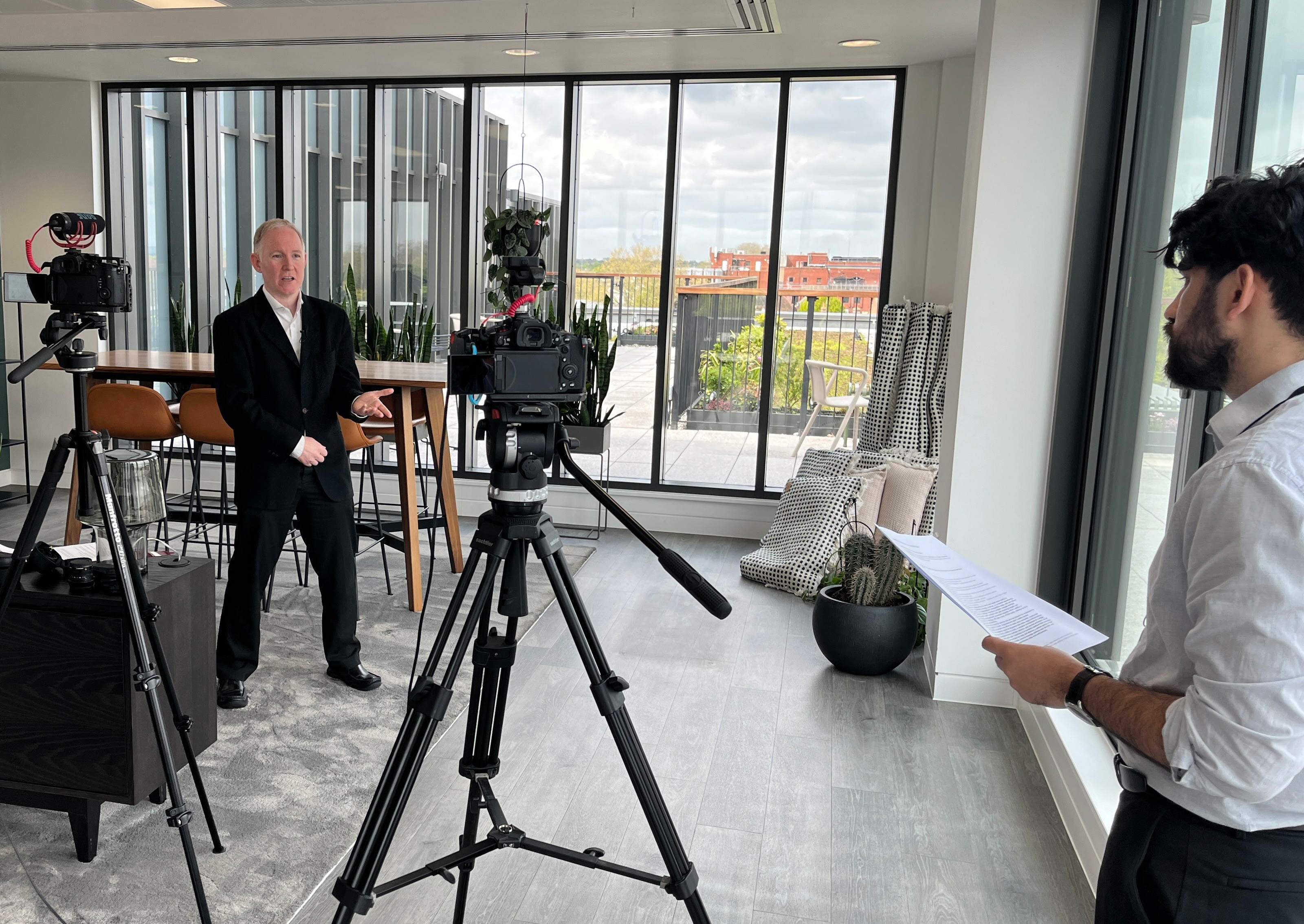
This is where working with an external video production partner on an ongoing basis can make a difference. Rather than approaching each video as a separate project, marketing teams can work with a partner to plan upcoming activity, identify production requirements and establish a more manageable schedule for creating content.
But the value of that relationship goes beyond production capacity. A partner with experience in B2B communications can bring a broader understanding of how video fits into integrated marketing campaigns, which messages will resonate with different audiences and how content can support wider business objectives. Combined with creative and technical production expertise, this helps ensure videos are developed with a clear purpose and a role to play in the wider communications strategy.
Over time, that relationship also allows a partner to build a deeper understanding of the brand, its messaging and what has worked previously. This reduces the need to explain objectives from scratch with every project, makes it easier to identify new opportunities and helps maintain a consistent flow of content without placing the full responsibility for production on internal teams.
Build video into the rhythm of marketing
For B2B brands looking to make more of video, consistency starts with making it part of the wider marketing conversation. With a clear view of upcoming campaigns, a realistic production schedule and the right expertise in place, video can become a dependable part of the marketing mix, supporting brand visibility, buyer engagement and wider business objectives throughout the year.
And for marketing teams already juggling a busy calendar, that is perhaps the biggest opportunity. The ideas and stories are often already there. It's about having the structure, resources and expertise to turn them into a consistent flow of video content that works harder for the business.
Discover how Whiteoaks Studio's Partnership Model helps B2B marketing teams plan and produce a consistent flow of high-quality video content, with ongoing creative and production support that makes better use of resources and maximises long-term value.